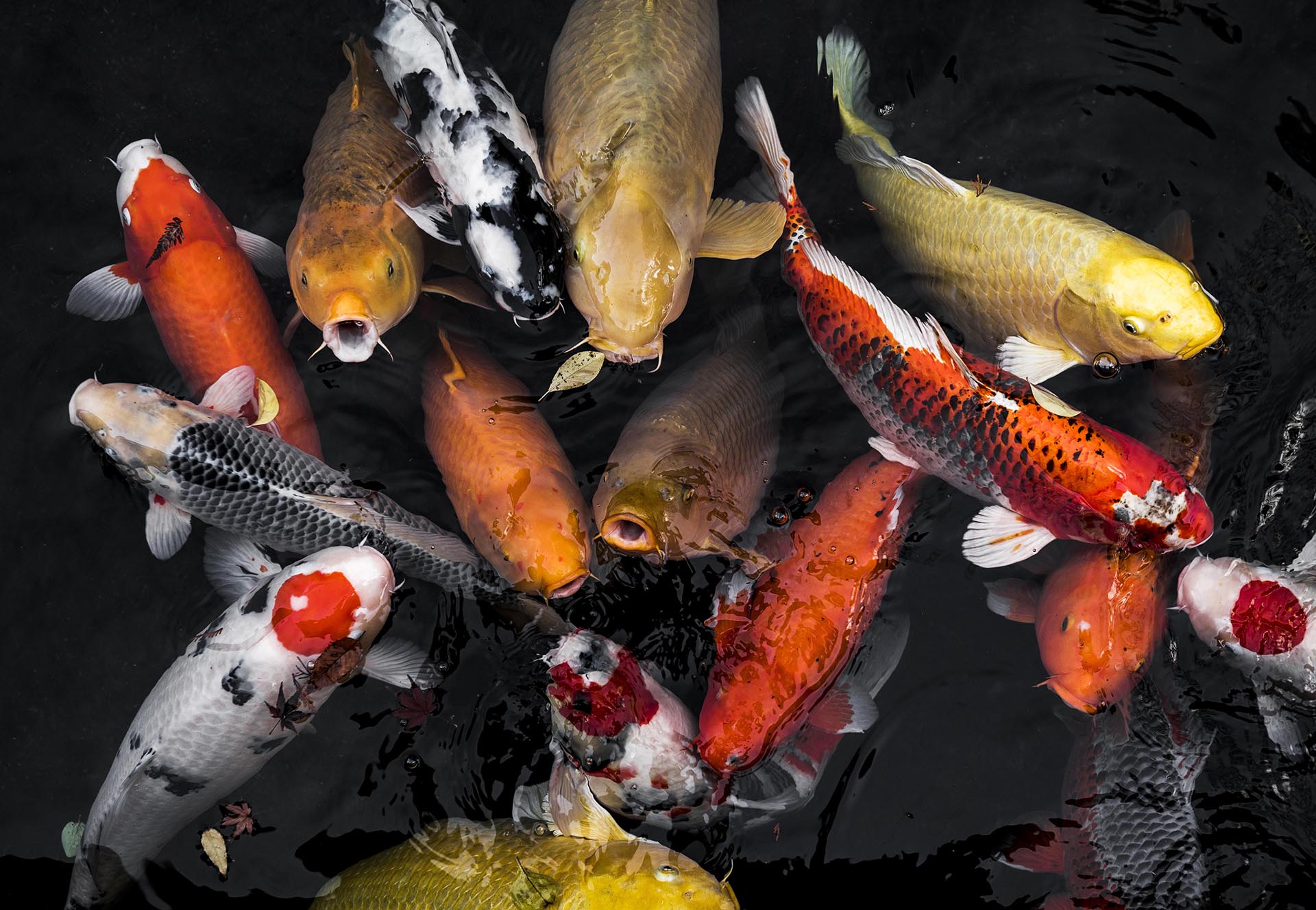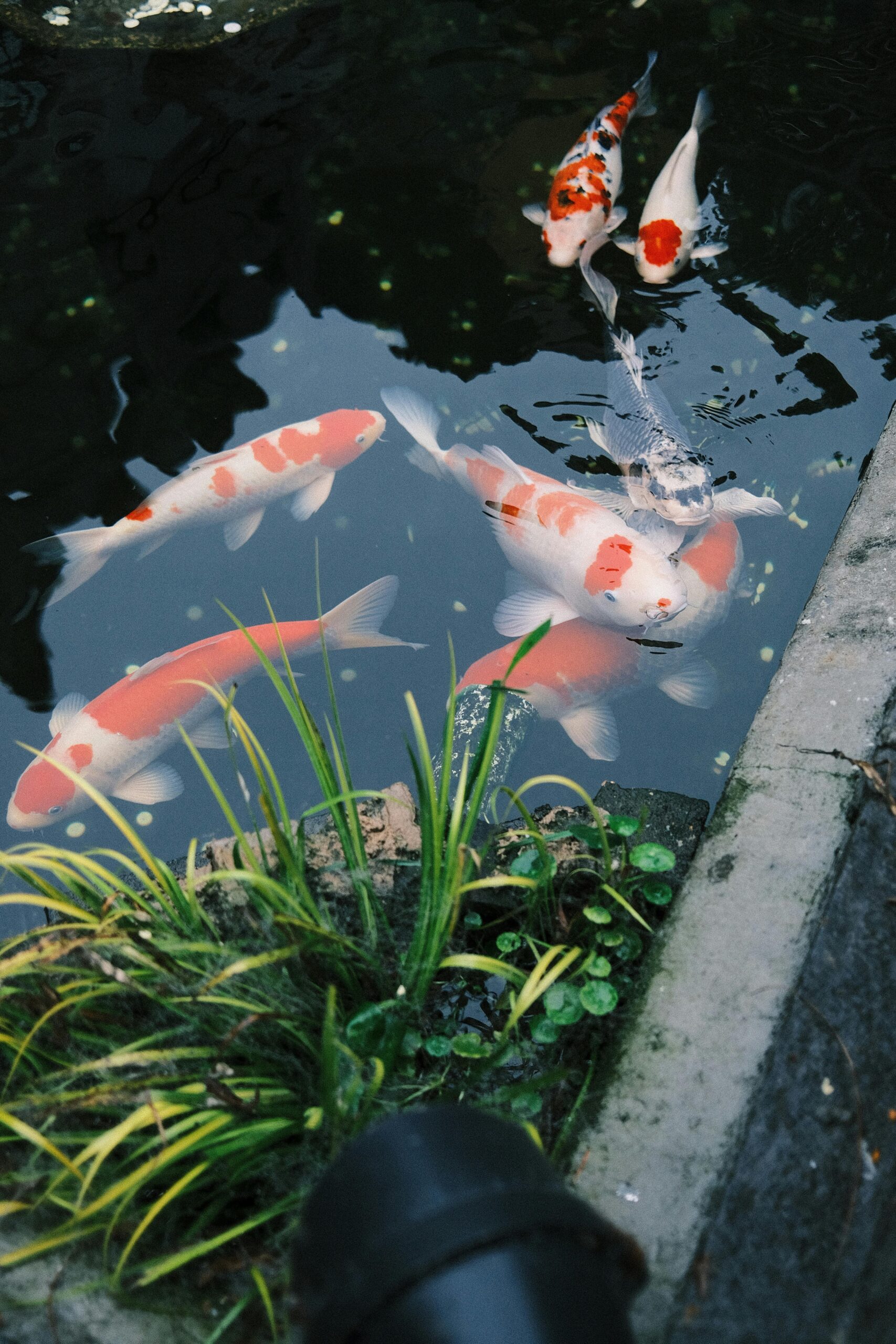
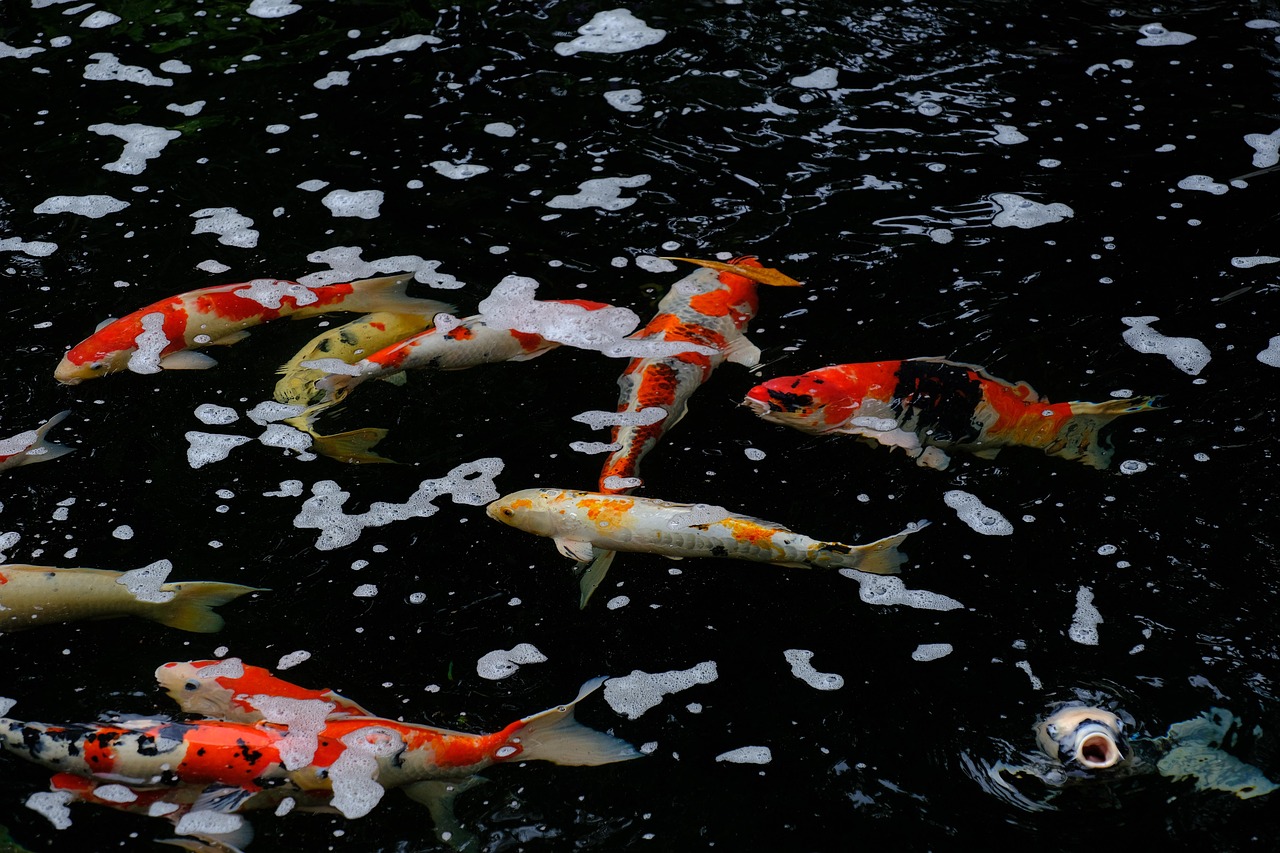
If you’ve ever stood by your pond wondering whether your koi need feeding again, you’re not alone. “How often should I feed my koi?” is one of the most common questions new keepers ask – and it’s also one of the easiest places to go wrong.
Feed too often and you risk poor water quality, stressed filtration and unhealthy fish. Feed too little, or at the wrong time of year, and koi struggle to maintain condition and energy. The tricky part is that koi don’t come with an off switch. They’ll beg for food whenever you approach the pond, even when feeding isn’t in their best interests.
The key is understanding that koi feeding isn’t about routine or habit. It’s about seasonality. Water temperature, not the calendar or your feeding schedule, dictates how often koi should eat and how well they can digest what you give them. Get that right and everything else becomes easier – clearer water, steadier growth and koi that thrive rather than just survive.
Why Water Temperature Dictates How Often You Feed Koi
Koi are cold-blooded fish. Their body temperature – and digestion – matches the water around them. When the pond is warm, their metabolism runs faster. When the water cools, everything slows down, including how quickly and efficiently they process food.
This is why feeding koi “by the calendar” causes problems. A mild spring can arrive early, while a cold snap in autumn can drag on for weeks. Feeding the same amount just because it’s April or October ignores what’s actually happening in the pond.
As water cools, koi take longer to digest food. If you keep feeding as often as you did in summer, that food can sit in the gut too long, leading to stress and health issues. In colder conditions, uneaten food also lingers in the pond, breaking down and putting unnecessary strain on filters.
Rather than chasing exact numbers, think in broad temperature bands and, just as importantly, watch behaviour. Active koi that swim confidently and come up for food can usually handle regular feeding. Sluggish fish that stay low in the water are telling you their bodies aren’t ready.
Seasonal feeding isn’t restrictive. It’s responsive. The more you match feeding frequency to water temperature, the easier pond keeping becomes.
Spring: Waking Koi Up Safely
Spring is one of the riskiest times of year for koi feeding. After winter, it’s tempting to assume fish are hungry and need plenty of food to “recover”. In reality, their digestion is only just waking up.
How Often to Feed Koi in Spring
As water begins to warm, feeding should be gradual. Start with small portions, offered infrequently, and only increase once koi are clearly active and finishing food quickly. One light feed every couple of days is often plenty at the start of spring.
As conditions stabilise and activity increases, you can slowly add more frequent feeds. The goal isn’t to rush back to summer levels but to let koi adjust without overloading their system.
What to Watch for After Winter
Spring feeding is all about observation. Healthy signs include koi swimming higher in the water, responding quickly to food and digesting it cleanly with no leftovers.
Warning signs are just as important. Food sinking untouched, cloudy water or fish that appear interested but don’t finish eating are signals to slow down. Spring water quality can fluctuate as filters ramp back up, so restraint pays off.
Many spring problems come from enthusiasm rather than neglect. A steady, cautious approach gives koi time to rebuild strength while keeping water stable and stress low.
Summer: Peak Feeding Season
Summer is when koi feeding feels easiest – and when it’s easiest to overdo it. Warm water increases metabolism, activity and appetite, which means koi can handle more frequent feeding, but only if the pond can cope too.
How Often Should You Feed Koi in Summer?
In consistently warm conditions, koi can be fed little and often. Two to four small feeds spread through the day is common in established ponds with good filtration. Smaller portions digest more efficiently than one large dump of food.
Morning and early evening are ideal times, when oxygen levels are steadier and koi are naturally active. Avoid feeding during the hottest part of the day if fish appear sluggish or are gulping air at the surface.
How Much Is Too Much?
The biggest mistake in summer is assuming hungry behaviour means more food is always better. Koi are opportunistic feeders. They’ll eat beyond what they need if given the chance.
Over-feeding shows up first in the water, not the fish. Hazy water, increased blanket weed, clogged filters and rising maintenance are all signs the system is being pushed too hard. Long term, koi may gain weight without healthy muscle growth, which isn’t the same as good condition.
A well-run summer feeding routine keeps koi eager but not frantic, water clear and filters coping comfortably. If one part starts to struggle, feeding frequency is the first thing to adjust.
Autumn: Preparing Koi for Winter
Autumn feeding is about preparation, not growth. As temperatures drop, koi need support to build and maintain energy reserves, but they also need time to slow down safely.
Reducing Feeding as Temperatures Drop
As water cools, reduce feeding frequency gradually. Instead of multiple daily feeds, move to once a day, then every other day as activity slows. Smaller portions become more important than ever.
This tapering gives koi time to adjust their digestion and prevents sudden changes that can cause stress. It also reduces waste at a time when filters are beginning to slow down.
Common Autumn Feeding Mistakes
One common mistake is stopping feeding abruptly after a cold night, then starting again when the sun comes out. This on-off approach confuses digestion and often leads to uneaten food.
Another is trying to “bulk up” koi with heavy feeding late in the season. Koi can’t store energy effectively if digestion is already slowing. Gentle, consistent reduction works far better.
Autumn is also when pond maintenance ramps up. As you reduce feeding, it’s a good time to keep on top of filter cleaning and debris removal, helping water quality stay stable heading into winter.
Winter: Should You Feed Koi at All?
Winter feeding causes more anxiety than almost any other part of koi keeping. The idea of not feeding fish for weeks feels wrong, but in cold water, it’s often the safest choice.
When to Stop Feeding Koi
As water temperatures drop and koi become inactive, feeding should slow to a stop. When fish stay near the bottom and show little interest in food, their digestion has largely shut down.
At this point, offering food does more harm than good. Even small amounts can sit undigested, leading to internal issues and water quality problems.
What Happens If You Feed Too Late?
Feeding koi when they can’t digest properly risks uneaten food breaking down in the pond. This increases ammonia and puts stress on fish already dealing with cold conditions.
Behaviour matters, but temperature still leads the decision. A mild winter day doesn’t always mean koi are ready to eat if the overall water temperature remains low.
Clear, calm restraint is the best approach. Healthy koi can go through winter without food and emerge in spring ready to feed again when conditions improve.
How Much Food Should You Feed Per Session?
“How often” is closely followed by “how much”. A simple rule keeps most ponds on track: only feed what your koi will eat in a few minutes.
This doesn’t mean timing every feed precisely, but watching how quickly food is taken and whether any sinks or drifts away untouched. If food remains after a short period, the portion was too large.
Koi always appear hungry. They associate people with food and will rush to the surface even when they don’t need feeding. That behaviour isn’t a reliable guide.
Portion size should also flex with conditions. In warm, stable weather, slightly larger portions may be fine. After water changes, filter cleaning or during unsettled weather, reducing portions helps avoid stress.
Clear water and relaxed feeding behaviour are better indicators than empty tubs of food.
Signs You’re Feeding Too Much or Too Little
Even with good intentions, feeding mistakes happen. Spotting the signs early prevents long-term issues.
Over-Feeding Warning Signs
- Cloudy or green water that doesn’t clear easily
- Increased filter cleaning and waste build-up
- Food sinking uneaten or drifting away
- Koi becoming sluggish despite regular feeding
These signs often appear before fish look unhealthy. Cutting back feeding usually improves things quickly.
Under-Feeding Warning Signs
- Noticeable weight loss over time
- Reduced activity in warm conditions
- Koi losing body shape rather than just slowing seasonally
Under-feeding is less common than over-feeding. In most ponds, restraint is the bigger challenge. Growth myths can push keepers to feed more than necessary, when steady health matters far more than size.
Pro Tips for Smarter Koi Feeding
- Feed little and often in warm weather, not large portions all at once
- Skip feeding if koi aren’t active, even if the calendar says you should
- Always adjust feeding after filter maintenance or water changes
- Keep feeding consistent once conditions stabilise, rather than chasing daily changes
- Watch the pond, not the tub of food – behaviour and water clarity tell you more
Small adjustments made early prevent big problems later.
Feed for the Season, Not the Habit
Most koi feeding problems come from routine, not neglect. Feeding at the same time every day feels responsible, but koi don’t run on schedules. They respond to water temperature, oxygen levels and overall pond health.
Seasonal awareness removes the guesswork. By adjusting how often and how much you feed as conditions change, you support digestion, protect water quality and reduce stress on both fish and filtration.
Observation beats rigid rules every time. Watch your koi, read the pond and let the season lead. Healthy koi aren’t built on constant feeding, but on sensible, responsive care throughout the year.