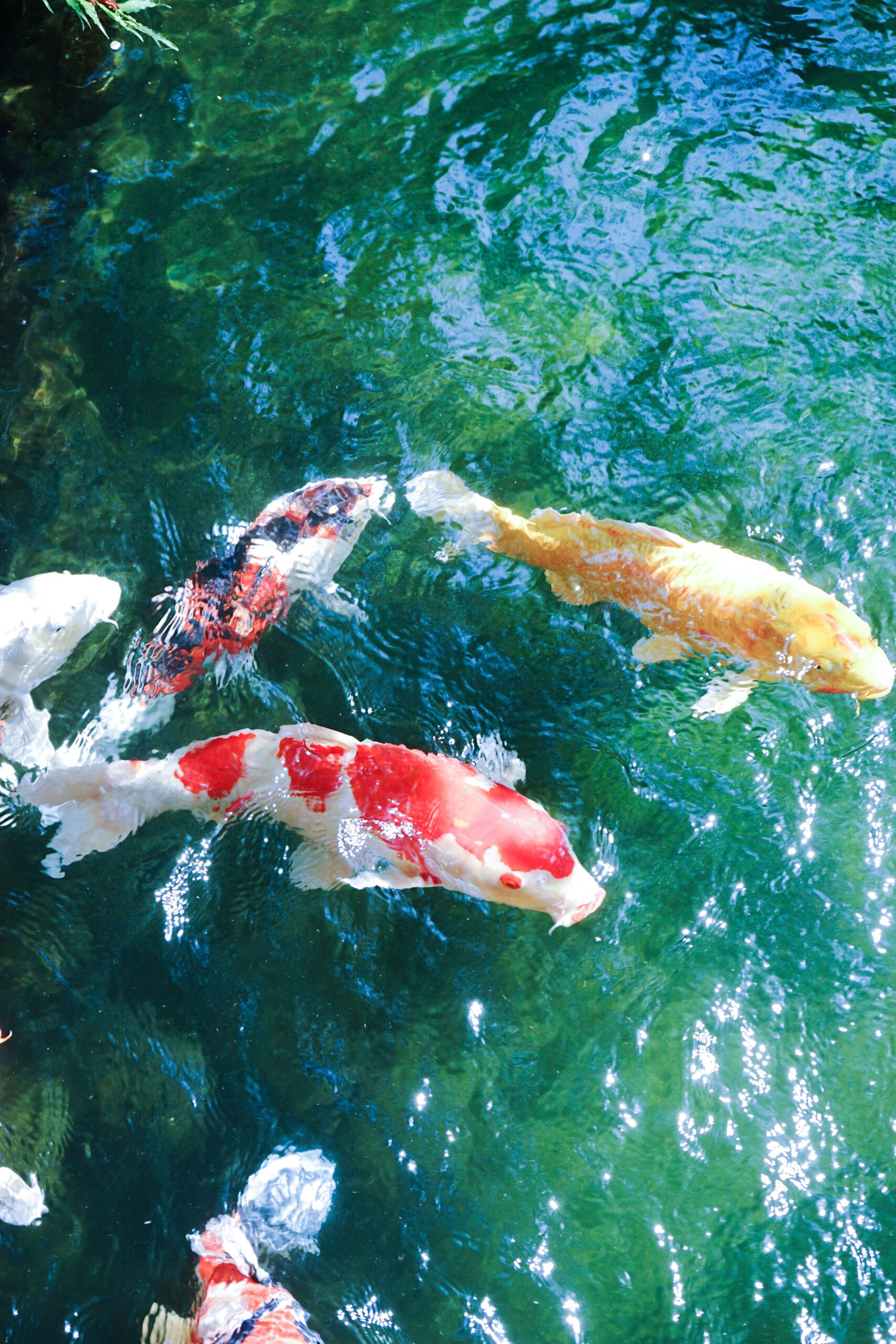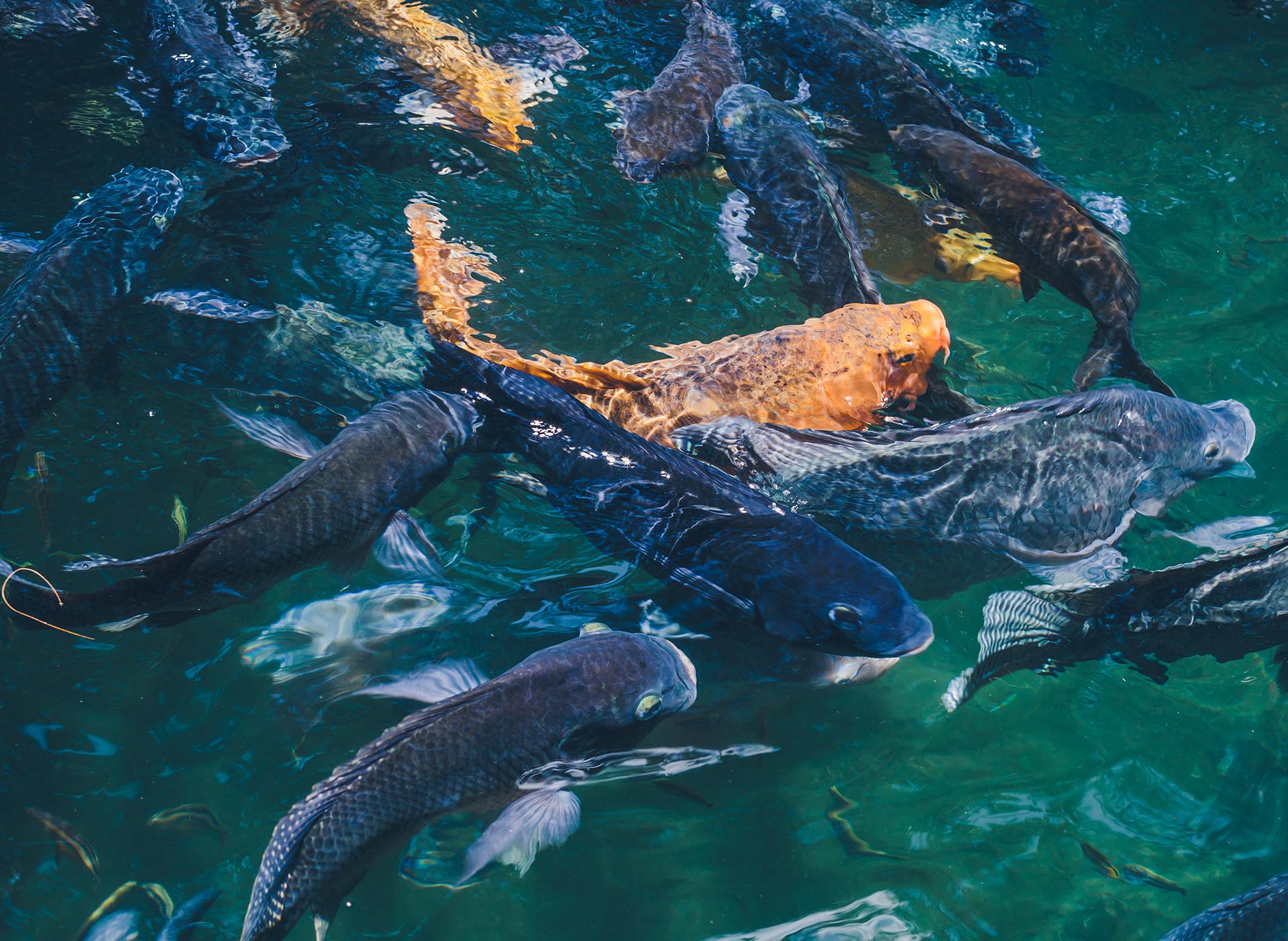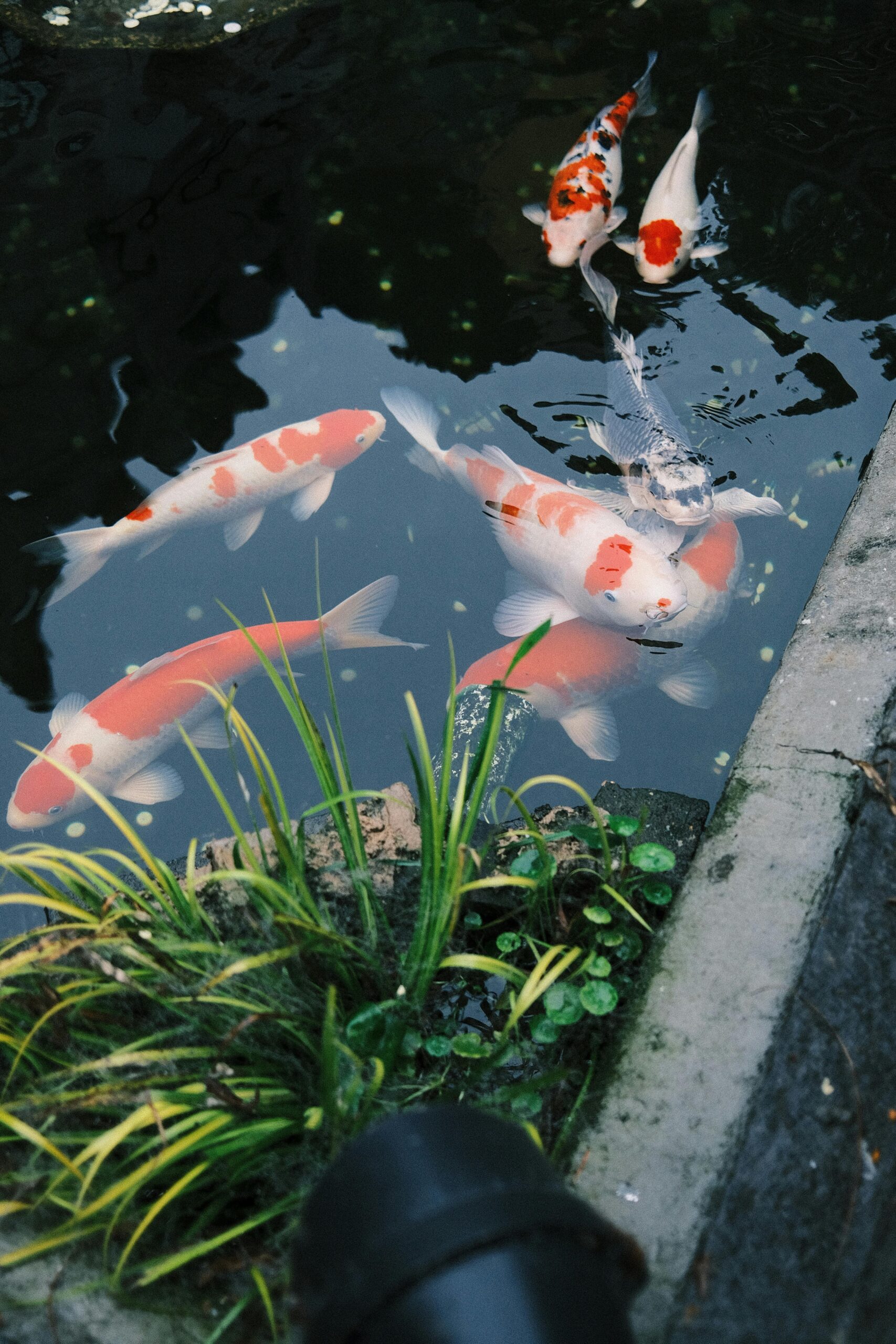
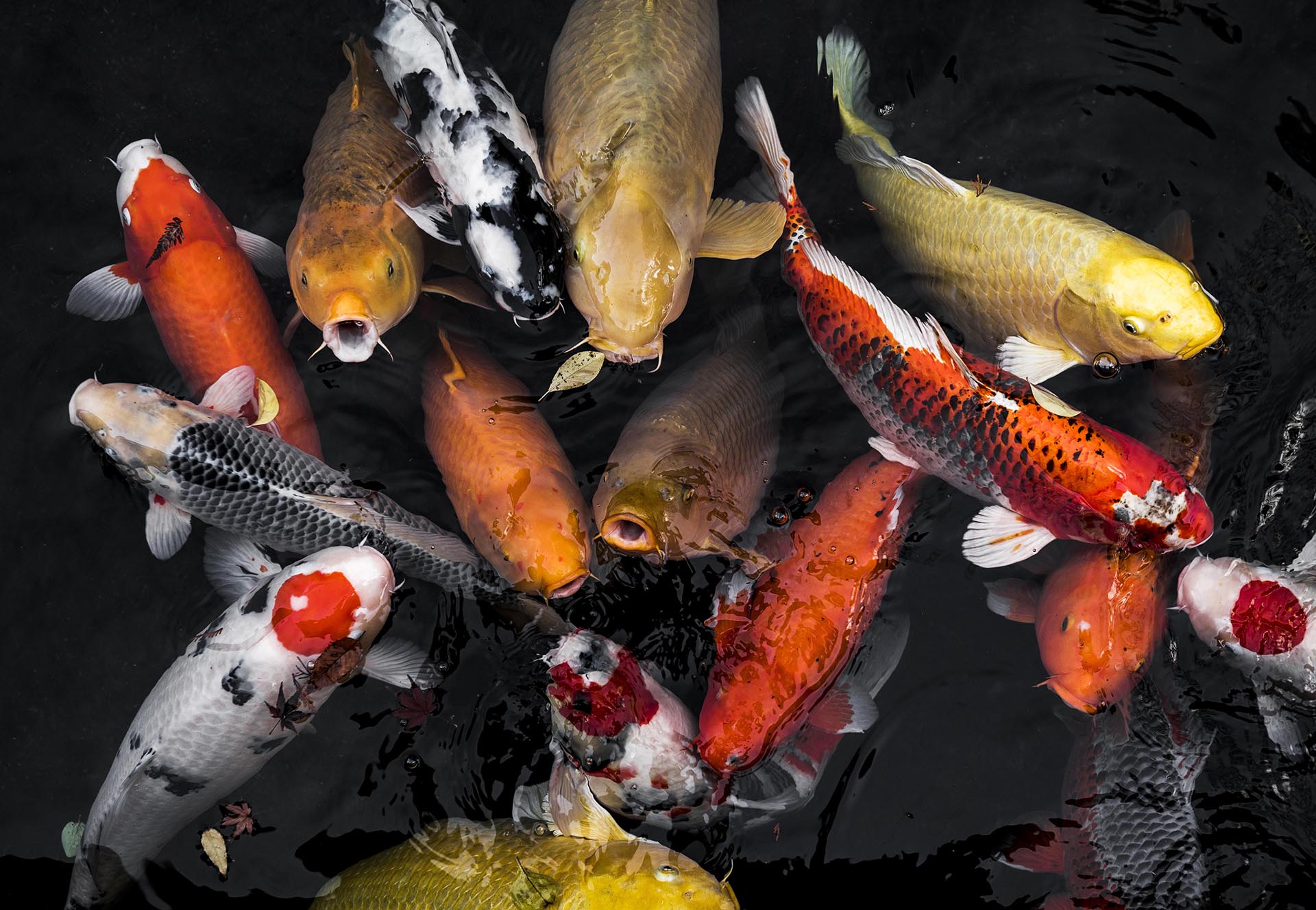
A koi pond looks peaceful on the surface, but underneath it’s a working ecosystem. Water is constantly moving, bacteria are breaking down waste and oxygen levels are shifting through the day.
If you plan properly, that ecosystem works for you. If you rush it, you’ll spend your time clearing green water and worrying about stressed fish.
Koi are not goldfish. They grow big, produce a lot of waste and can live for decades. That means your pond needs to be designed around their long-term needs, not just how it looks this summer.
Below is a clear overview first, then a simple breakdown you can follow with confidence.
What Makes a Koi Pond Different?
Koi grow larger than most beginners expect
That 15 cm koi can eventually reach 60 cm or more. Growth depends on space, water quality and genetics. A cramped pond limits development and increases health risks.
Think long term from day one.
Water quality is everything
Koi live in their own waste. Ammonia from fish waste and uneaten food builds quickly. Without proper biological filtration – beneficial bacteria that convert ammonia into safer compounds – fish become stressed.
Clear water does not always mean safe water. Testing matters.
Oxygen keeps everything alive
Warm water holds less oxygen. In summer especially, koi need strong circulation and additional aeration. Air pumps and air stones are not optional extras on stocked koi ponds – they are basic equipment.
Bigger filtration means less stress
Undersized filters cause constant maintenance. Oversized filters create stability.
If you’re unsure, always choose the larger option. It gives you breathing room as fish grow.
The Simple Version
If that feels like a lot, here it is stripped back.
1. Build It Deep
- Aim for at least 1.2 m (4 ft)
- Deeper ponds stay more stable
- Stable water keeps koi healthy
Shallow ponds swing in temperature. Koi prefer consistency.
2. Install Strong Filtration
You need:
- Mechanical filtration – removes solid waste
- Biological filtration – grows good bacteria that clean the water
Bigger filter = less maintenance and safer water.
3. Use a UV-C Clarifier
UV-C helps control green water algae. It clears suspended algae so your filter can remove it.
It improves clarity but does not replace proper filtration.
Safety reminder:
- Always unplug before servicing
- Never look directly at a running UV lamp
4. Move the Water
Dead spots collect waste.
A good setup: Pump → Filter → Return
For koi ponds, bottom drains are strongly recommended. They pull waste from the lowest point before it breaks down.
5. Add Fish Slowly
Let your filter mature before fully stocking.
Begin with fewer koi and monitor water quality. Adding too many fish too quickly overwhelms the system.
Patience at the start saves problems later.
Ongoing Care – What to Expect
Even a well-designed pond needs attention.
Plan for:
- Weekly visual checks
- Regular filter rinsing
- Water testing
- Seasonal feeding adjustments
- Partial water changes
Koi ponds reward consistency. Small, regular tasks prevent major problems.
Common Beginner Mistakes
- Building for looks instead of depth
- Choosing a goldfish filter for koi
- Skipping aeration
- Overstocking early
- Ignoring water testing
Avoid these and you remove most early frustrations.
Before You Start, Ask Yourself
- How big can I realistically build?
- Where will filtration sit?
- Do I want gravity-fed or pump-fed?
- How many koi long term, not just now?
Design around the answers, not impulse.
A properly built koi pond becomes the calm centre of your garden. Clear water, steady movement and fish that come to the surface confidently at feeding time.