What “Normal” Looks Like in a Healthy Koi Pond
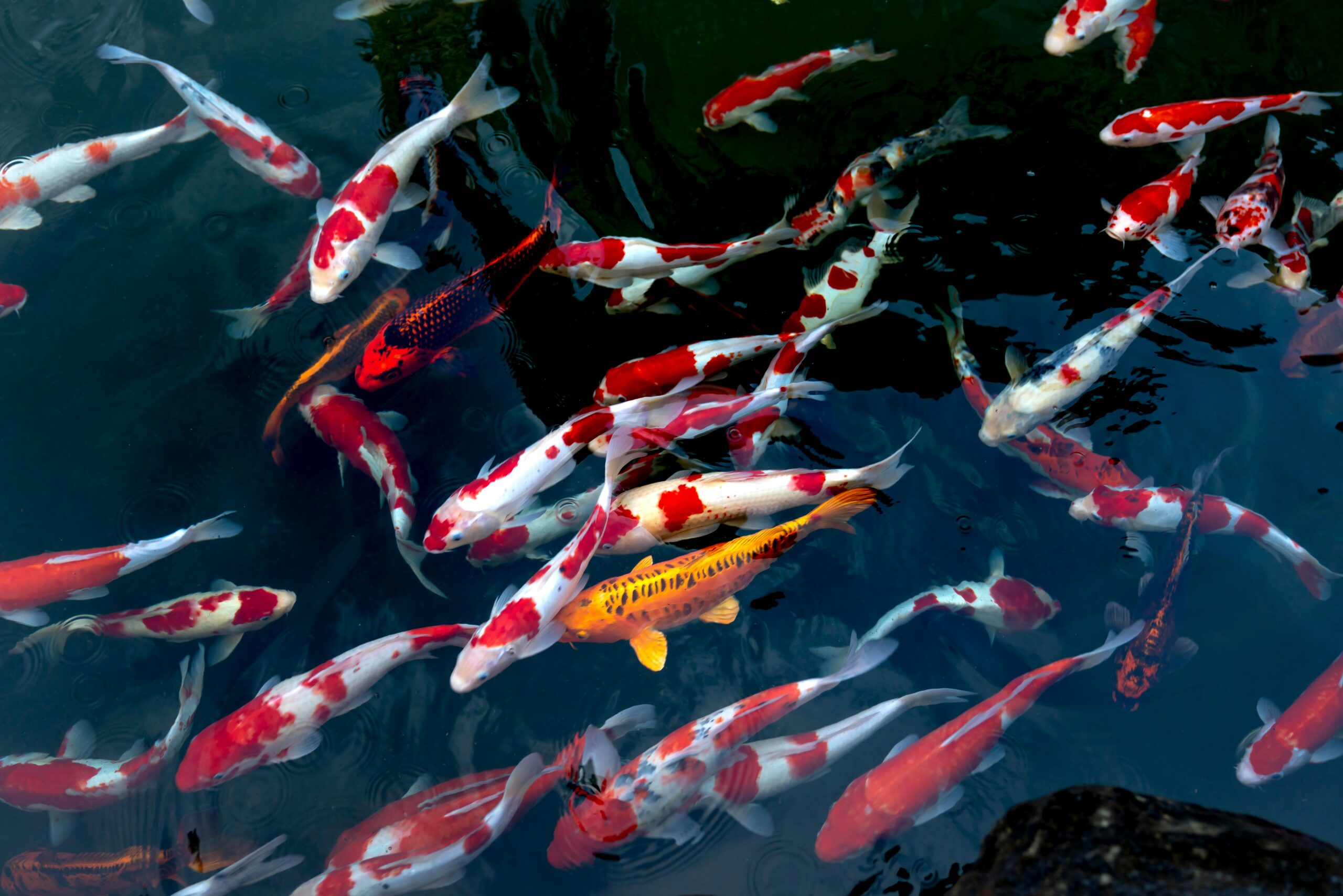
If your water is clear to around 60–90 cm, your koi swim confidently and your filters run steadily without constant tinkering, you’re probably looking at a healthy pond.
New pond owners often chase perfection. In reality, a stable pond isn’t spotless or silent – it’s balanced. Here’s what “normal” really looks like day to day.
Clear Water – Not Sterile Water
Healthy pond water should:
- Look clear, not cloudy
- Have a natural tint, not bright green
- Allow you to see your fish comfortably
- Smell fresh, never sour
A slight tea colour from tannins or a light biofilm on surfaces is normal. What’s not normal is milky water, thick blanket weed taking over or a strong odour from the filter bay.
Clarity comes from consistent mechanical and biological filtration working together.
Koi Behaviour: Calm, Curious and Confident
Healthy koi are:
- Active but not frantic
- Curious when you approach
- Feeding confidently in season
- Resting calmly at night
Koi should glide smoothly through the water. Gasping at the surface, clamped fins, isolating from the group or flashing (rubbing against surfaces) are signs something’s off.
Remember – koi are cold-blooded. Their metabolism follows water temperature. Below 10 °C they slow down naturally. That’s normal.
Steady Water Test Results
In a stable koi pond, you should expect:
- Ammonia: 0
- Nitrite: 0
- Nitrate: Present but controlled
- pH: Stable, not swinging daily
The key word is stable. A consistent pH is more important than chasing a perfect number. Sudden swings stress fish far more than slightly high readings.
Test weekly in spring and summer, less often in winter.
Filters That Run Quietly in the Background
A healthy system doesn’t need constant deep cleaning.
Normal signs:
- Strong, consistent return flow
- Drum filters cycling at sensible intervals
- Sieves catching debris without overflowing
- Bio-media gently moving if it’s a moving bed system
If you’re stripping and rinsing everything every few days, something upstream is unbalanced – usually overfeeding or excess debris entering the system.
Good filtration feels steady, not dramatic.
Seasonal Changes Are Part of “Normal”
Spring
- Fish become more active above 10 °C
- Filter bacteria rebuild after winter
- Light algae blooms can appear
A slight green tinge early in the season isn’t unusual.
Summer
- Highest feeding rates
- Fast plant growth
- Increased filter demand
You may clean mechanical stages more often. That’s seasonal pressure, not failure.
Autumn
- Falling leaves increase waste
- Feeding reduces as temperatures drop
Surface nets and regular skimming make a big difference.
Winter
- Minimal feeding
- Reduced waste
- Slower bacterial activity
Ponds look quieter. That’s normal and healthy.
A Thin Biofilm Is Healthy
Pond walls, pipework and media develop a natural coating of bacteria – often called biofilm.
It might feel slightly slippery. That’s not dirt. It’s beneficial bacteria processing waste.
Pressure washing every surface back to bare liner removes this helpful layer and can destabilise the pond.
Fish Growth That Matches the Setup
In a healthy pond:
- Koi grow steadily, not rapidly and unevenly
- Colours stay strong
- Fins remain intact
- Skin looks clean and glossy
Growth depends on pond size, stocking level and feeding. Overcrowded ponds often show slower growth and increased stress.
What Isn’t Normal
Watch for:
- Persistent foaming
- Strong rotten smells
- Fish gasping at the surface
- Ulcers or visible sores
- Sudden behaviour changes
- Repeated ammonia or nitrite readings
These are signs of imbalance, not part of a normal cycle.
Stability Beats Perfection
A healthy koi pond is predictable. Water tests stay steady. Fish behave consistently. Maintenance follows a rhythm.
You shouldn’t feel like you’re firefighting every week.
Clear water, happy koi and less hassle come from balance – correct stocking, sensible feeding, solid filtration and steady maintenance.
If you’re unsure whether your pond looks “normal”, share your pond size, filtration setup – pump-fed or gravity-fed – and current test readings. A few details make it much easier to spot what’s healthy and what needs adjusting.